Drawing Fundamentals
Drawing is the cheapest art education there is: a pencil, paper, and the fundamentals of line, value, and form carry over into every other medium you will ever touch. This collection focuses on those fundamentals — starting with shading, because value is what makes a flat shape read as a solid object. Our tutorials name techniques correctly — hatching, cross-hatching, stippling, blending — and explain when each one earns its place, rather than treating them as interchangeable tricks. Expect honest guidance on graphite grades, paper tooth, and why a blending stump behaves differently from a fingertip.
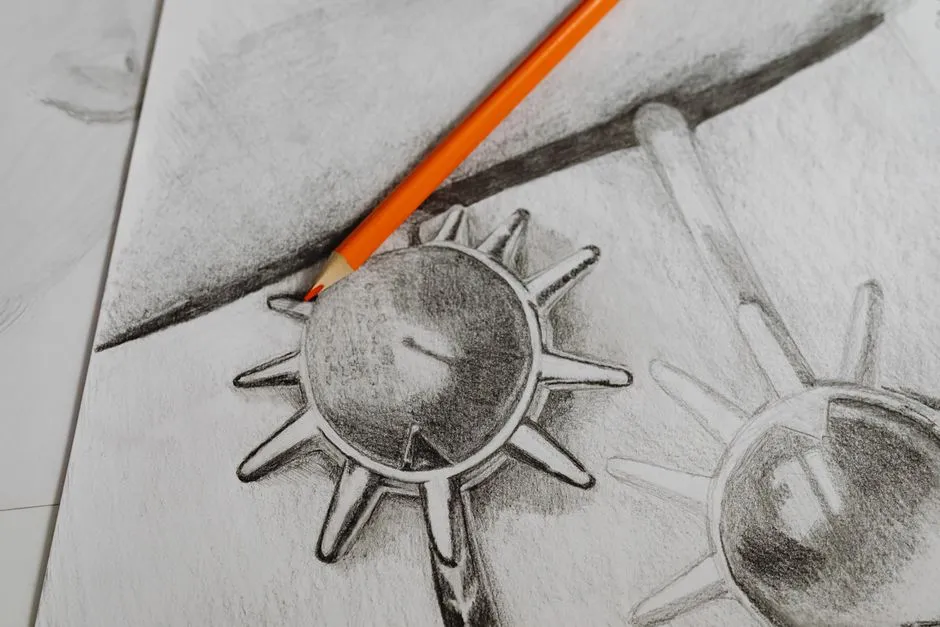
Contour vs Gesture Drawing: Two Ways to Look
Contour drawing concentrates on edges and the lines that describe a form; gesture drawing records its overall character and relationships with loose,…
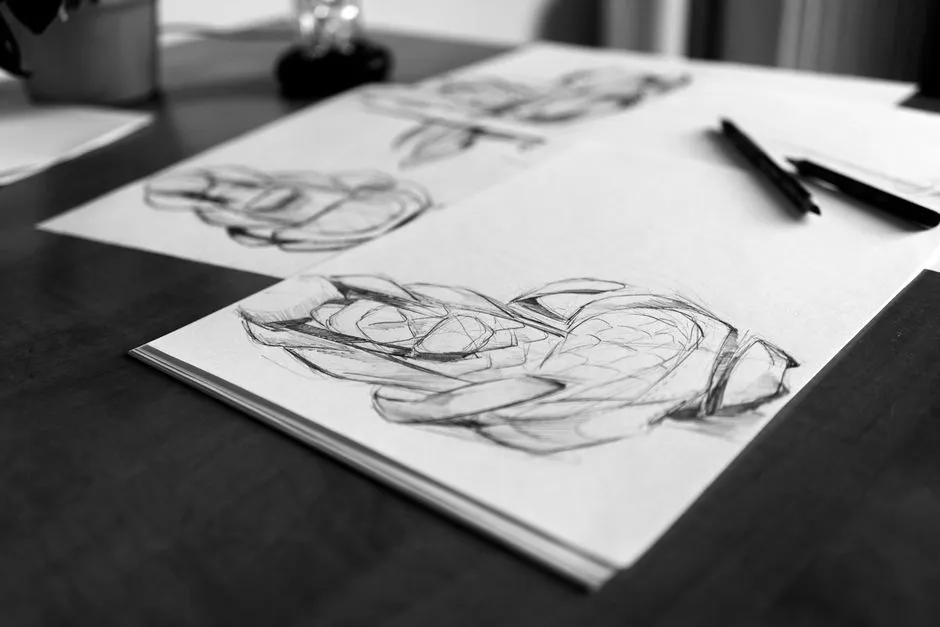
Drawing Paper Weight and Tooth: Read the Labels
Drawing-paper weight and tooth describe different properties: gsm gives mass per square metre, while tooth describes surface texture.
How to Draw Proportions: A Measuring Method
To draw proportions accurately, choose one visible length as a unit, then compare every major width, height, and gap against it.
Pencil Shading Techniques: 7 Ways to Add Depth and Realism
Pencil shading techniques are methods for controlling value — light and dark — so a flat outline reads as three-dimensional form.